Published by
Published on
February 10, 2026
.jpg)



Why the traditional four-month modeling cycle is killing your competitive advantage—and what the pros are doing instead.
Here's the uncomfortable reality: by the time you finish building that meticulously crafted supply chain model, the data you started with is already stale.
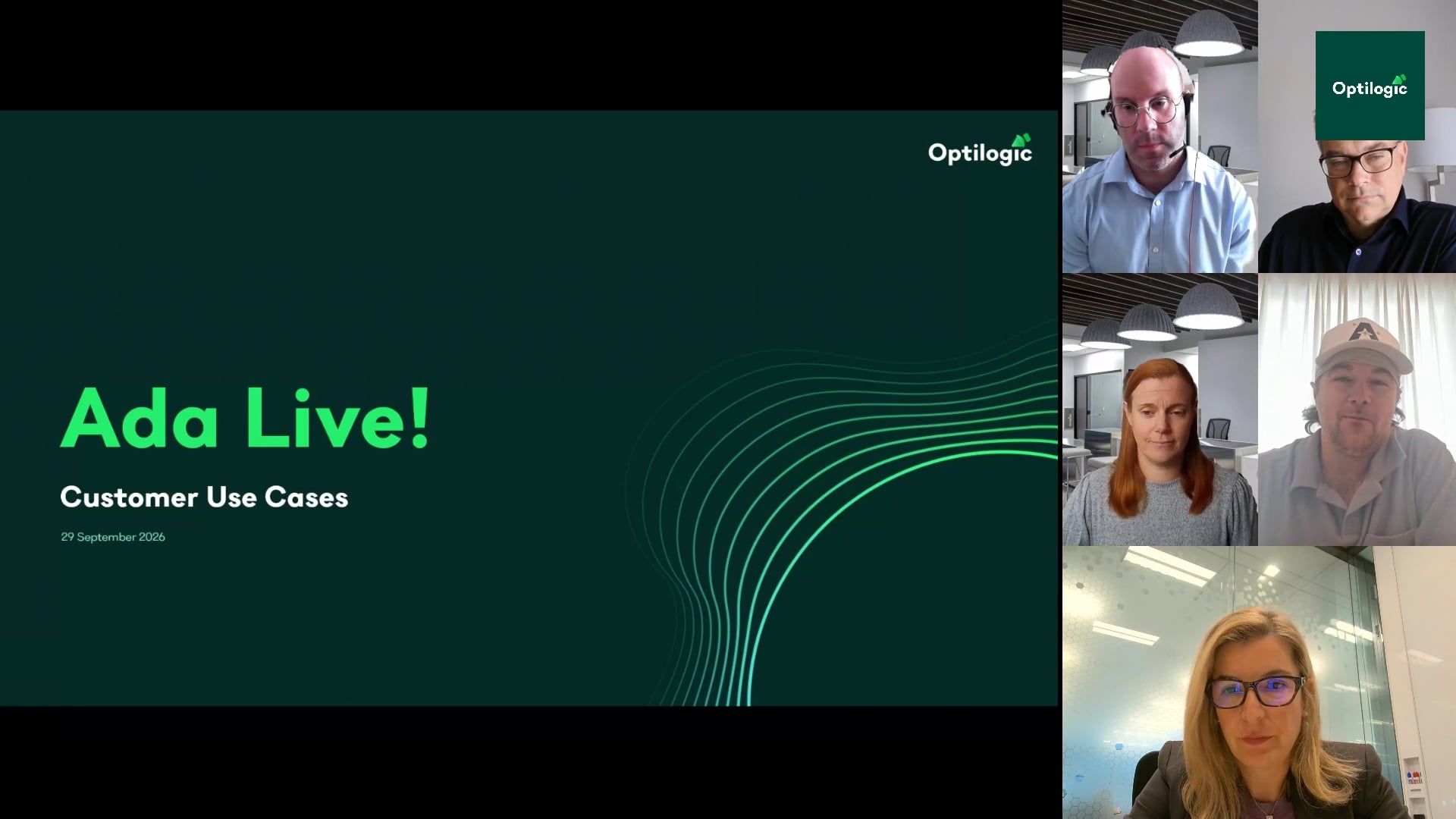
On the surface, it may sound dramatic—but our economy is so global, disruption and volatility are inevitable. This was discussed in detail when Optilogic’s Vikram Srinivasan recently sat down with Kevin Troyer from Miebach Consulting—a supply chain expert with more than 25 years of experience.
Luckily, the exploration of these topics led to a deep conversation that included insights and practical tips that have helped others successfully navigate these challenges.
Traditional network design projects take three to four months. Of that time, one or two months—nearly half—is spent wrestling with data. Cleaning it. Validating it. Mapping it to a usable format.
"It's very common for us to spend one to two months—almost half of that time—working just on data to make sure we get it clean, validated, and right for modeling." — Kevin Troyer, Miebach Consulting
And here's the kicker: the moment that project wraps, someone asks for a refresh. A tariff changes. A supplier falls off.
If you didn't build a repeatable process? Unfortunately, you're starting from scratch, and another two months of data wrangling gets underway.
The traditional approach isn't just slow. It's designed for a world that doesn't exist anymore.
Gone are the days when network design meant a once-every-five-years greenfield study. The questions supply chain teams face now are relentless and varied:
Tariff volatility: One Miebach client is constantly modeling how to minimize tariff costs while balancing manufacturing optimization. And no—they're not making permanent infrastructure changes based on policies that change with every breaking headline.
Multi-year implementation windows: Another client with 60+ locations is executing an eight to10 year network modernization. They need to validate the plan continuously, not just at kickoff.
SKU-level inventory optimization: A third Miebach client is modeling at the SKU level—hundreds of thousands of them—with input files hitting three million records and outputs exceeding 20 million.
Many might consider these as "nice to have" scenarios. But with emerging technology, these projects are becoming much more tangible, where the difference between a quick answer and a slow one is measured in competitive advantage.
Kevin made a point that stuck with us:
"These models are more powerful than we give them credit for. They can answer a lot of questions. The problem is the data goes stale so fast."
The model itself isn't the bottleneck. The model is ready. It's waiting. It's capable of answering dozens of strategic questions.
The process around it? That's what's broken.
This is where agentic AI changes the game. Not by replacing human judgment, but by handling the tedious stuff that's been eating your modeling capacity for decades.
Here's a mindset shift the best teams are embracing: directional accuracy beats delayed precision.
"Sometimes better beats perfect. Especially in the early days of the modeling phase." — Vikram Srinivasan, Optilogic
When evaluating logistics costs for new scenarios, you might not have exact rates. But you can make assumptions that are directionally correct, prioritize the most valuable opportunities, then refine as you go.
The alternative—waiting until every data point is perfect—means you're still validating while your competitors are already executing.
Let's be clear about something: AI isn't going to automate strategic supply chain decisions. Not because it can't crunch numbers—it absolutely can—but because those decisions require context, judgment, and accountability that only humans can provide.
"In the world of supply chain modeling, it's both science and an art. The AI can handle parts of it, but we need the human in the loop." — Vikram Srinivasan, Optilogic
What AI should handle:
What humans should focus on:
This isn't about automation replacing analysts. It's about analysts finally getting to do the work they were hired to do.
AI is also changing the impossible to the possible. For example, organizations used to back down from running sensitivity analysis across hundreds of demand and supply variations to find the real choke points in their network. The problem was figuring out how to analyze all the output.
"AI is really a good friend of ours in those cases where it can sift through hundreds of scenarios. It's actually hungry for it—more data is better."
— Vikram Srinivasan, Optilogic
This is where AI becomes your favorite colleague. It's genuinely hungry for data—the more scenarios, the better. It can surface patterns across hundreds of model runs and say, "Hey, here's where you should focus."
You still dive into the details. You still build the charts that tell the story to leadership. But you're not hunting through spreadsheets trying to find the signal in the noise.
The teams winning at this aren't running supply chain design as annual projects. They're building what we call an "always-on what-if modeling capability."
What does that look like in practice?
Continuous data connections: Models stay fresh because data pipelines are automated and resilient to source system changes. This is exactly what DataStar was built to solve.
Democratized access: Not everyone needs to be a modeling expert. A demand planner should be able to ask, "What happens if MOQ goes from 50 to 100?" and get an answer without filing a ticket.
Speed, scale, and confidence: The goal isn't just faster answers—it's more confident decisions backed by robust analysis.
The shift we're seeing—from static, periodic modeling to dynamic, continuous decision support—isn't a nice-to-have anymore. It's the difference between surviving versus finding opportunities to create a competitive edge.
Supply chain disruptions are more expensive than building resiliency upfront. Covid taught us that. Tariffs are teaching us that again. The companies that can answer "what if" faster than their competitors have an advantage that compounds over time.
The question isn't whether your models are capable. They are.
The question is whether your process lets them reach their potential—or whether you're spending so much time on data prep that you never get to the decisions that actually matter.
Ready to flip spend less time on data wrangling and more time on strategic analysis?
That's exactly what DataStar and Cosmic Frog were built to do.
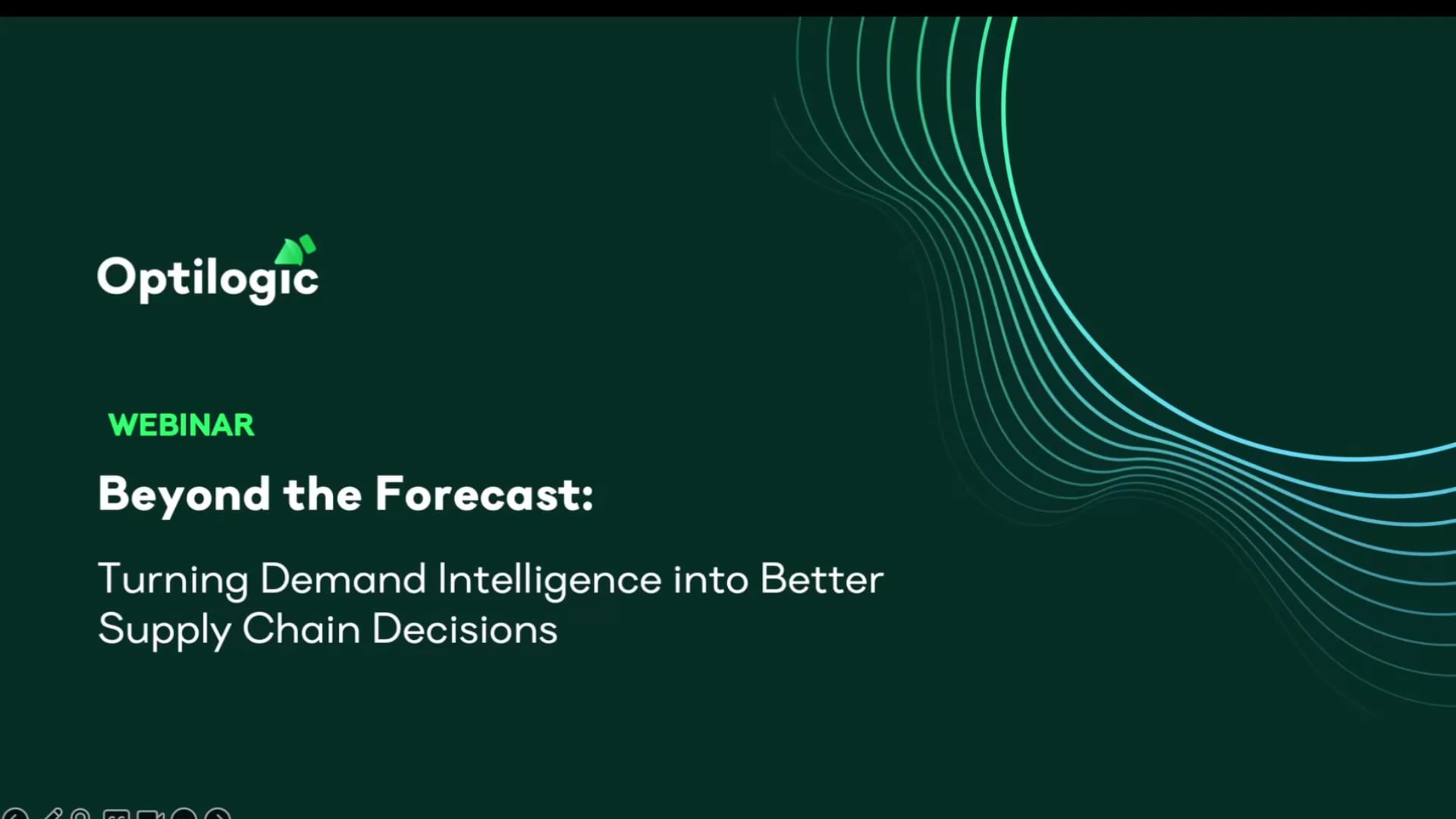
This blog is based on insights from a recent webinar featuring Kevin Troyer of Miebach Consulting and Vikram Srinivasan of Optilogic. Want to learn more about building an always-on what-if modeling capability? Request a demo to see the platform in action.
Why the traditional four-month modeling cycle is killing your competitive advantage—and what the pros are doing instead.
Here's the uncomfortable reality: by the time you finish building that meticulously crafted supply chain model, the data you started with is already stale.
On the surface, it may sound dramatic—but our economy is so global, disruption and volatility are inevitable. This was discussed in detail when Optilogic’s Vikram Srinivasan recently sat down with Kevin Troyer from Miebach Consulting—a supply chain expert with more than 25 years of experience.
Luckily, the exploration of these topics led to a deep conversation that included insights and practical tips that have helped others successfully navigate these challenges.
Traditional network design projects take three to four months. Of that time, one or two months—nearly half—is spent wrestling with data. Cleaning it. Validating it. Mapping it to a usable format.
"It's very common for us to spend one to two months—almost half of that time—working just on data to make sure we get it clean, validated, and right for modeling." — Kevin Troyer, Miebach Consulting
And here's the kicker: the moment that project wraps, someone asks for a refresh. A tariff changes. A supplier falls off.
If you didn't build a repeatable process? Unfortunately, you're starting from scratch, and another two months of data wrangling gets underway.
The traditional approach isn't just slow. It's designed for a world that doesn't exist anymore.
Gone are the days when network design meant a once-every-five-years greenfield study. The questions supply chain teams face now are relentless and varied:
Tariff volatility: One Miebach client is constantly modeling how to minimize tariff costs while balancing manufacturing optimization. And no—they're not making permanent infrastructure changes based on policies that change with every breaking headline.
Multi-year implementation windows: Another client with 60+ locations is executing an eight to10 year network modernization. They need to validate the plan continuously, not just at kickoff.
SKU-level inventory optimization: A third Miebach client is modeling at the SKU level—hundreds of thousands of them—with input files hitting three million records and outputs exceeding 20 million.
Many might consider these as "nice to have" scenarios. But with emerging technology, these projects are becoming much more tangible, where the difference between a quick answer and a slow one is measured in competitive advantage.
Kevin made a point that stuck with us:
"These models are more powerful than we give them credit for. They can answer a lot of questions. The problem is the data goes stale so fast."
The model itself isn't the bottleneck. The model is ready. It's waiting. It's capable of answering dozens of strategic questions.
The process around it? That's what's broken.
This is where agentic AI changes the game. Not by replacing human judgment, but by handling the tedious stuff that's been eating your modeling capacity for decades.
Here's a mindset shift the best teams are embracing: directional accuracy beats delayed precision.
"Sometimes better beats perfect. Especially in the early days of the modeling phase." — Vikram Srinivasan, Optilogic
When evaluating logistics costs for new scenarios, you might not have exact rates. But you can make assumptions that are directionally correct, prioritize the most valuable opportunities, then refine as you go.
The alternative—waiting until every data point is perfect—means you're still validating while your competitors are already executing.
Let's be clear about something: AI isn't going to automate strategic supply chain decisions. Not because it can't crunch numbers—it absolutely can—but because those decisions require context, judgment, and accountability that only humans can provide.
"In the world of supply chain modeling, it's both science and an art. The AI can handle parts of it, but we need the human in the loop." — Vikram Srinivasan, Optilogic
What AI should handle:
What humans should focus on:
This isn't about automation replacing analysts. It's about analysts finally getting to do the work they were hired to do.
AI is also changing the impossible to the possible. For example, organizations used to back down from running sensitivity analysis across hundreds of demand and supply variations to find the real choke points in their network. The problem was figuring out how to analyze all the output.
"AI is really a good friend of ours in those cases where it can sift through hundreds of scenarios. It's actually hungry for it—more data is better."
— Vikram Srinivasan, Optilogic
This is where AI becomes your favorite colleague. It's genuinely hungry for data—the more scenarios, the better. It can surface patterns across hundreds of model runs and say, "Hey, here's where you should focus."
You still dive into the details. You still build the charts that tell the story to leadership. But you're not hunting through spreadsheets trying to find the signal in the noise.
The teams winning at this aren't running supply chain design as annual projects. They're building what we call an "always-on what-if modeling capability."
What does that look like in practice?
Continuous data connections: Models stay fresh because data pipelines are automated and resilient to source system changes. This is exactly what DataStar was built to solve.
Democratized access: Not everyone needs to be a modeling expert. A demand planner should be able to ask, "What happens if MOQ goes from 50 to 100?" and get an answer without filing a ticket.
Speed, scale, and confidence: The goal isn't just faster answers—it's more confident decisions backed by robust analysis.
The shift we're seeing—from static, periodic modeling to dynamic, continuous decision support—isn't a nice-to-have anymore. It's the difference between surviving versus finding opportunities to create a competitive edge.
Supply chain disruptions are more expensive than building resiliency upfront. Covid taught us that. Tariffs are teaching us that again. The companies that can answer "what if" faster than their competitors have an advantage that compounds over time.
The question isn't whether your models are capable. They are.
The question is whether your process lets them reach their potential—or whether you're spending so much time on data prep that you never get to the decisions that actually matter.
Ready to flip spend less time on data wrangling and more time on strategic analysis?
That's exactly what DataStar and Cosmic Frog were built to do.
This blog is based on insights from a recent webinar featuring Kevin Troyer of Miebach Consulting and Vikram Srinivasan of Optilogic. Want to learn more about building an always-on what-if modeling capability? Request a demo to see the platform in action.
Fill out the form to unlock the full content
.jpg)