Published by
Published on
April 28, 2026
.jpg)



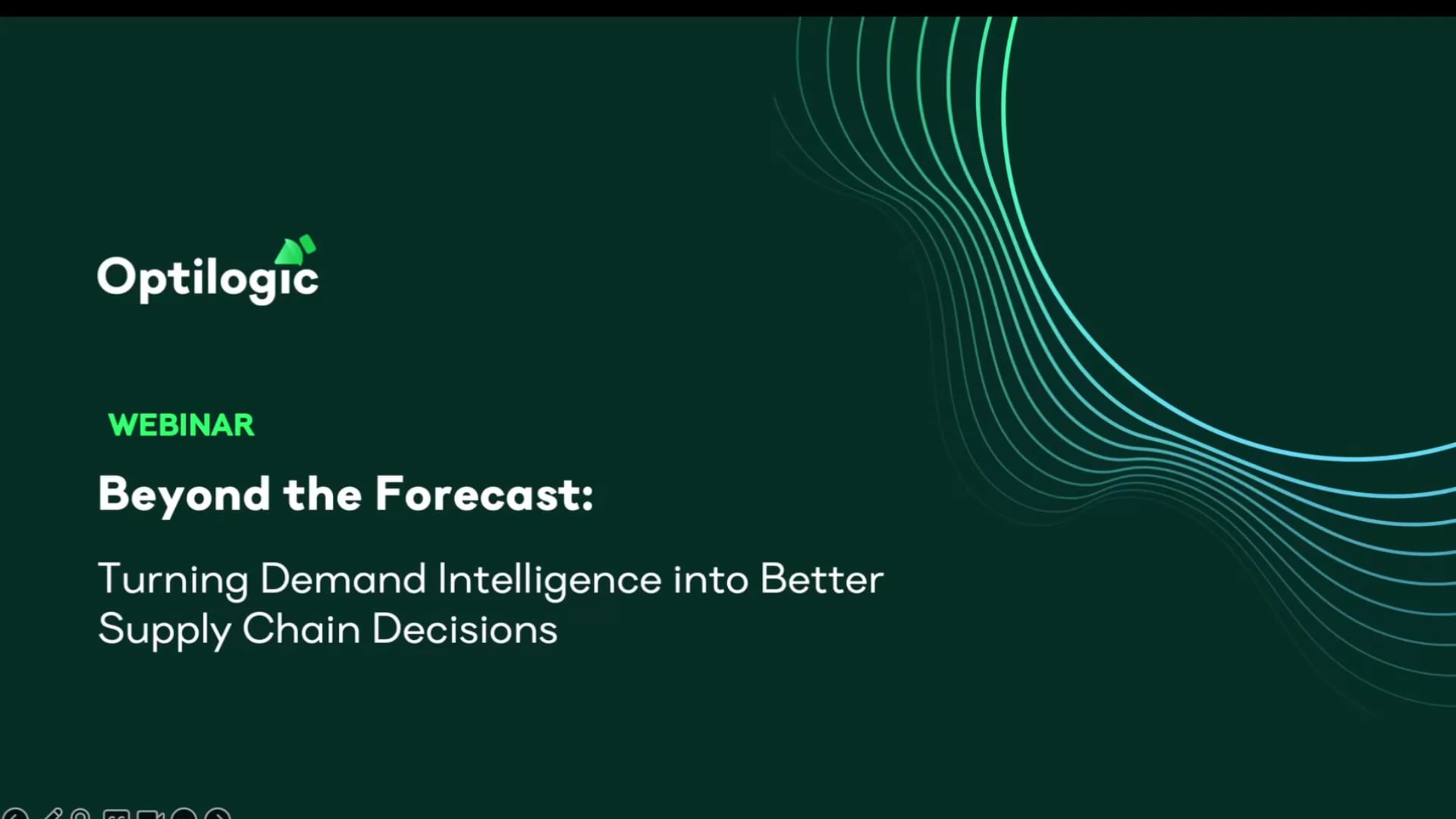
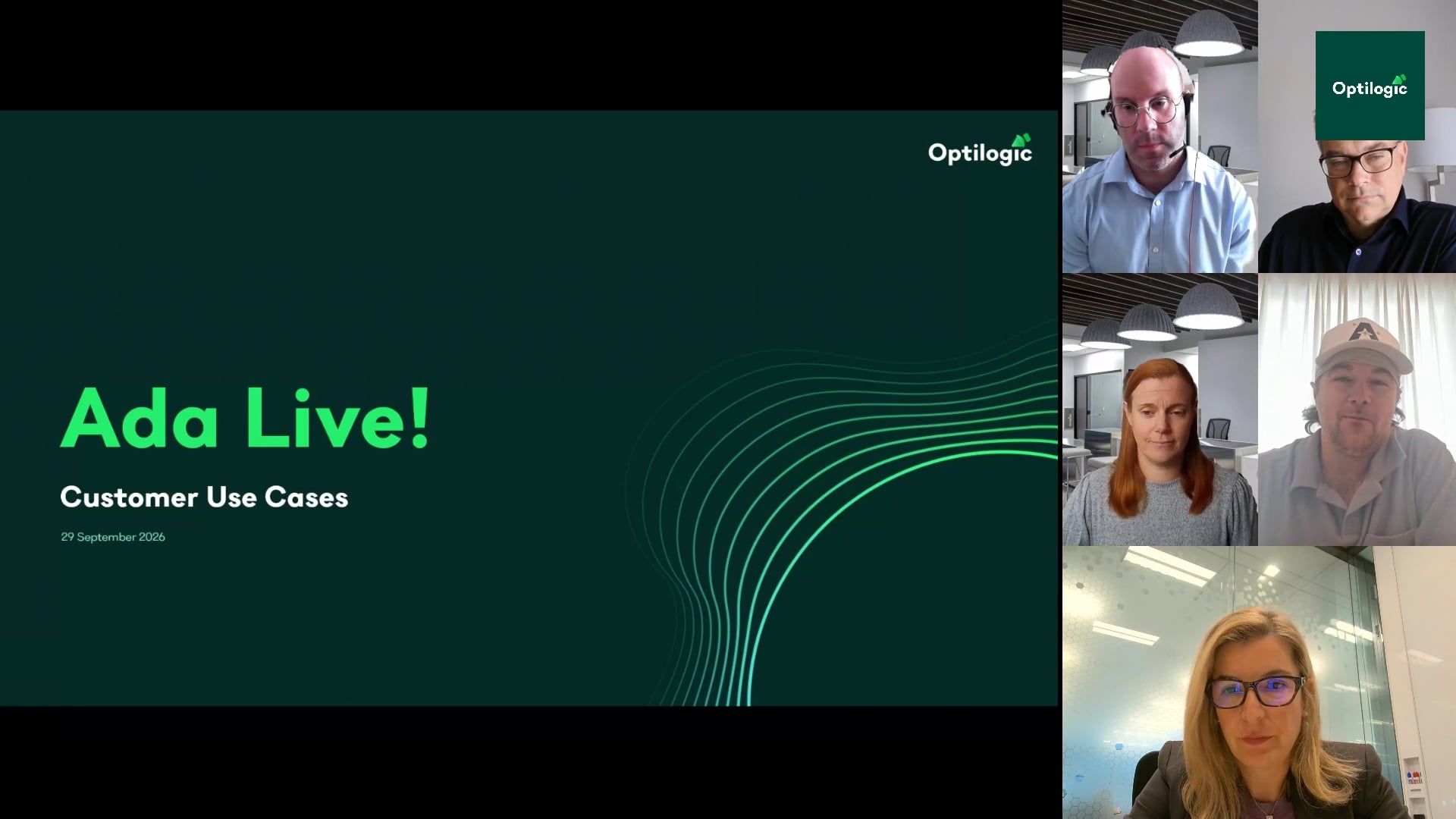
Don Hicks, CEO of Optilogic, answers audience questions that came up during a live session with supply chain thought leader Lora Cecere.
Design is dead — long live design.
What’s dying is the process: months of model building, a handful of heroic specialists, results that show up after the question has moved on. That version of design earned its bad reputation. Too slow. Too expensive. Too dependent on people in short supply.
What’s replacing it is what we’ve needed all along — the ability to quickly and accurately envision a future state. Ask what happens if you make a change, and get a real answer before the meeting ends. The question design tries to answer hasn’t changed. The painful, glacial process for answering it is what’s going away.
The urge to design has always been there. Every supply chain professional has a list of “what if I could just try this” questions that never got answered because the cost was too high.
The problem was never the people — it was the technology. Taking four months to build a baseline model of your own network is absurd. But that was the reality. We in technology just hadn’t solved it yet.
What AI is doing now is collapsing that cost. Data cleansing, filling in missing data, building baseline models — agentic AI handles all of that. When you ask a question, you can get a quantitatively correct model back fast. That used to be the entire project. Now it’s the starting point.
Start with their questions, not yours.
What’s top of mind for them right now? Tariffs? A platform shift? A merger scenario they need to pressure-test? If you can say, “I could give you 10 alternative plans on that by tomorrow” — and mean it — that conversation changes fast.
The bigger habit to break is the disappearing act. Supply chain analysts are trained to take a problem, go off for months, and return with the answer. The hobbits come back with the plan, but the business has already moved on. You must operate on a much shorter loop — bring results fast, tie them directly to whatever the senior team is worried about this quarter, and keep showing up with new angles.
The first thing to do is admit the senior executive might know some things your model doesn’t.
Engineers are trained to find the optimal answer. We build the best network configuration, present it, and can’t understand why leadership won’t just take it. But the person arguing for what looks like a suboptimal choice may be carrying context that never made it into the model, like commercial contracts that require keeping certain facilities open, change management realities, strategic shifts that make a theoretically better network irrelevant in 18 months.
Ask why. Understand the constraints they’re working with. Then run scenario analysis that shows the impact of their preferred option alongside the alternatives and let them make the call. Don’t fight intuition — interrogate it. Most of the time, if you dig far enough, there’s real information behind it.
Your modeling and data skills are not obsolete. We’ll need people to audit, validate, and quality-check AI outputs for a long time. You can’t keep pace with AI’s speed, but your deep knowledge is exactly what makes the output trustworthy. Someone has to be in the room who can tell when the model is wrong.
What’s going to separate people going forward is clear thinking — real, disciplined, systems-level thinking. When a chatbot hands you an answer, you need to ask: why would I believe this? What’s it missing? Where are the edges of what it knows?
The other shift is harder for a lot of people in this field: stop thinking of yourself as a supply chain person who happens to work at a company. You’re in that business. You need to understand the finance, the product strategy, the commercial context. Supply chain has to be a genuine partner at the strategic table, not just the function that runs the operations. That’s a different job than most of us were trained for.
I don’t call it a design center anymore. I think about it as supply chain change and transformation — and that framing matters for where it sits.
Here’s the distinction: your planning organization is optimizing within the constraints of the network that exists. They’re doing the best they can with what they’ve been dealt. The design and transformation team is trying to push that frontier out — change the constraints, find the next breakthrough, stay ahead of the next disruption.
Those two functions can’t be the same team. The design function is inherently disruptive. It scrambles things for the planning side — new policies, new products, new alternatives that change what’s possible. That’s not an IT function. IT is excellent at keeping critical systems running reliably. That’s a different orientation from what design needs.
Every business, regardless of size, needs both: one team optimizing what exists, another designing what comes next. They have to work together. But they’re not the same job.
The model building, yes. The decision, no.
Here’s the dirty little secret about traditional network design: it barely touches inventory. You build a flow model, optimize for cost, and then realize you haven’t answered what inventory policy should sit on each of those new nodes. Would you have made the same network decisions if you’d modeled that too? Maybe not. The tools must work together — network optimization, inventory optimization, discrete event simulation — each one giving you a different lens on the same interdependent system.
We’re automating model building at Optilogic right now. But a fully automated model is still just a data point. It’s a shadow on the wall, not the reality. What you can never automate is the compromise.
To design a supply chain is to balance service, financial performance, and risk. There is no formula that gives you the right answer. It depends on your business, your moment, your strategy. What we’re getting close to is giving people the ability to quantify those trade-offs in hours, not months. The speed is new. The judgment isn’t — that still belongs to humans.
There isn’t a part of our business that isn’t using AI right now.
We have agentic AI doing data cleansing, filling missing data, and building baseline models. We have neural networks operating as solver techniques. We’ve built an entire set of agents — model building agents, analysis agents, optimization agents — deployed through the DataStar platform so customers don’t have to wait for a modeling sprint to start asking questions.
The platform was already there. We’re pushing AI through it to compress the time between question and answer. And for existing Optilogic customers: you’re not paying more for it. We think this is table stakes for what supply chain design needs to be in 2026.
More change is coming. Nobody can predict what tariffs look like next year, or what global trade looks like, or what the next disruption will be. What you can rely on are people who share your values and want to solve problems with you.
We’re in the change with you. That’s what Optilogic is about. AI is how we’re helping you get there faster.
These questions came from a live webinar audience during a session with supply chain thought leader Lora Cecere. Watch the full recording or join us at OptiCon — June 2–4.
Don Hicks, CEO of Optilogic, answers audience questions that came up during a live session with supply chain thought leader Lora Cecere.
Design is dead — long live design.
What’s dying is the process: months of model building, a handful of heroic specialists, results that show up after the question has moved on. That version of design earned its bad reputation. Too slow. Too expensive. Too dependent on people in short supply.
What’s replacing it is what we’ve needed all along — the ability to quickly and accurately envision a future state. Ask what happens if you make a change, and get a real answer before the meeting ends. The question design tries to answer hasn’t changed. The painful, glacial process for answering it is what’s going away.
The urge to design has always been there. Every supply chain professional has a list of “what if I could just try this” questions that never got answered because the cost was too high.
The problem was never the people — it was the technology. Taking four months to build a baseline model of your own network is absurd. But that was the reality. We in technology just hadn’t solved it yet.
What AI is doing now is collapsing that cost. Data cleansing, filling in missing data, building baseline models — agentic AI handles all of that. When you ask a question, you can get a quantitatively correct model back fast. That used to be the entire project. Now it’s the starting point.
Start with their questions, not yours.
What’s top of mind for them right now? Tariffs? A platform shift? A merger scenario they need to pressure-test? If you can say, “I could give you 10 alternative plans on that by tomorrow” — and mean it — that conversation changes fast.
The bigger habit to break is the disappearing act. Supply chain analysts are trained to take a problem, go off for months, and return with the answer. The hobbits come back with the plan, but the business has already moved on. You must operate on a much shorter loop — bring results fast, tie them directly to whatever the senior team is worried about this quarter, and keep showing up with new angles.
The first thing to do is admit the senior executive might know some things your model doesn’t.
Engineers are trained to find the optimal answer. We build the best network configuration, present it, and can’t understand why leadership won’t just take it. But the person arguing for what looks like a suboptimal choice may be carrying context that never made it into the model, like commercial contracts that require keeping certain facilities open, change management realities, strategic shifts that make a theoretically better network irrelevant in 18 months.
Ask why. Understand the constraints they’re working with. Then run scenario analysis that shows the impact of their preferred option alongside the alternatives and let them make the call. Don’t fight intuition — interrogate it. Most of the time, if you dig far enough, there’s real information behind it.
Your modeling and data skills are not obsolete. We’ll need people to audit, validate, and quality-check AI outputs for a long time. You can’t keep pace with AI’s speed, but your deep knowledge is exactly what makes the output trustworthy. Someone has to be in the room who can tell when the model is wrong.
What’s going to separate people going forward is clear thinking — real, disciplined, systems-level thinking. When a chatbot hands you an answer, you need to ask: why would I believe this? What’s it missing? Where are the edges of what it knows?
The other shift is harder for a lot of people in this field: stop thinking of yourself as a supply chain person who happens to work at a company. You’re in that business. You need to understand the finance, the product strategy, the commercial context. Supply chain has to be a genuine partner at the strategic table, not just the function that runs the operations. That’s a different job than most of us were trained for.
I don’t call it a design center anymore. I think about it as supply chain change and transformation — and that framing matters for where it sits.
Here’s the distinction: your planning organization is optimizing within the constraints of the network that exists. They’re doing the best they can with what they’ve been dealt. The design and transformation team is trying to push that frontier out — change the constraints, find the next breakthrough, stay ahead of the next disruption.
Those two functions can’t be the same team. The design function is inherently disruptive. It scrambles things for the planning side — new policies, new products, new alternatives that change what’s possible. That’s not an IT function. IT is excellent at keeping critical systems running reliably. That’s a different orientation from what design needs.
Every business, regardless of size, needs both: one team optimizing what exists, another designing what comes next. They have to work together. But they’re not the same job.
The model building, yes. The decision, no.
Here’s the dirty little secret about traditional network design: it barely touches inventory. You build a flow model, optimize for cost, and then realize you haven’t answered what inventory policy should sit on each of those new nodes. Would you have made the same network decisions if you’d modeled that too? Maybe not. The tools must work together — network optimization, inventory optimization, discrete event simulation — each one giving you a different lens on the same interdependent system.
We’re automating model building at Optilogic right now. But a fully automated model is still just a data point. It’s a shadow on the wall, not the reality. What you can never automate is the compromise.
To design a supply chain is to balance service, financial performance, and risk. There is no formula that gives you the right answer. It depends on your business, your moment, your strategy. What we’re getting close to is giving people the ability to quantify those trade-offs in hours, not months. The speed is new. The judgment isn’t — that still belongs to humans.
There isn’t a part of our business that isn’t using AI right now.
We have agentic AI doing data cleansing, filling missing data, and building baseline models. We have neural networks operating as solver techniques. We’ve built an entire set of agents — model building agents, analysis agents, optimization agents — deployed through the DataStar platform so customers don’t have to wait for a modeling sprint to start asking questions.
The platform was already there. We’re pushing AI through it to compress the time between question and answer. And for existing Optilogic customers: you’re not paying more for it. We think this is table stakes for what supply chain design needs to be in 2026.
More change is coming. Nobody can predict what tariffs look like next year, or what global trade looks like, or what the next disruption will be. What you can rely on are people who share your values and want to solve problems with you.
We’re in the change with you. That’s what Optilogic is about. AI is how we’re helping you get there faster.
These questions came from a live webinar audience during a session with supply chain thought leader Lora Cecere. Watch the full recording or join us at OptiCon — June 2–4.
Fill out the form to unlock the full content
.jpg)