Published by
Published on
July 17, 2026
.png)



The company optimized inbound raw-material collection and outbound distribution — on one platform, in months
The company is a large, member-owned cooperative in the food and agriculture sector, operating a broad network of facilities across the U.S. and internationally. Operating on thin margins, as the company's Director of Digital Supply Chain put it: "supply chain efficiency is not a choice. It's not a nice to have. It's a matter of survival. Every mile, every lane, everything matters."
Two optimization gaps hit simultaneously. In the outbound distribution network, customers were being routed inefficiently across days — one distribution center saw one weekday's volume nearly double all other weekdays, causing congestion and excess shipments. Analysis that could address it took months of manual work and ran only three or four times a year.
In the inbound network, the problem arrived without warning: the legacy tool used to route pickups from 1,700+ member locations was sunset the previous month. "Without it," said a Senior Supply Chain Design Analyst at the company, "optimization didn't just degrade, it disappeared." The business still needed routes, mileage, and travel times to support carrier rate negotiations, and had no system to produce them.
For the outbound network, an analyst at the company worked with Optilogic to build a repeatable Excel App running Cosmic Frog's Sailing Schedule Hopper model. A Python clustering utility groups customers by region and assigns them to consistent shipping days, feeding directly into Hopper. What previously took months of manual model-building can now run continuously across any distribution center in the network.
"What used to take months of manual work and ran three or four times a year — we can now run any time, for any DC in our network."— Senior Supply Chain Process Analyst
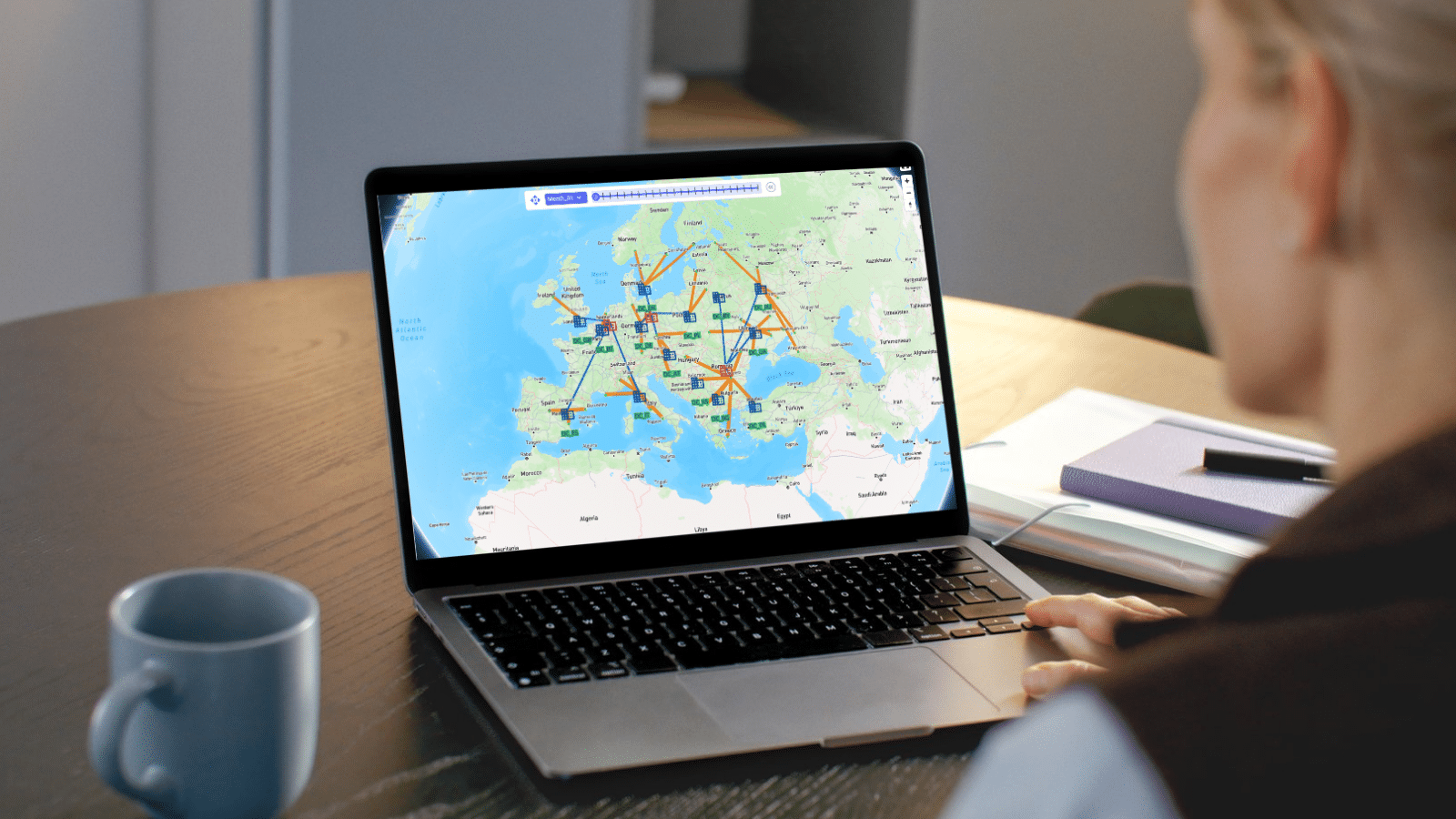
For inbound hauling, the company and Optilogic built a replacement capability from scratch in about two months. The result is a parameterized app backed by Hopper that gives the transportation team direct control over routing scenarios — no modeling expertise required. Network Design steps out of routine execution entirely.
Optilogic's Ada agentic AI accelerated the build. The Senior Supply Chain Design Analyst described an integration error that had blocked progress all afternoon. Two prompts to Ada resolved it in minutes. "I wish I knew Ada existed before I started this," he said. The fix enabled turn-by-turn mileage accuracy that the team needed for credibility in live carrier negotiations.
"I had an integration error that blocked me all afternoon. Two prompts to Ada, and 10 seconds later I was done."— Senior Supply Chain Design Analyst
The outbound pilot projects a 5–10% improvement in load factor at one regional distribution center, with meaningful projected transportation savings from that single location — with 70+ facilities still ahead. "As we continue to run this," the Senior Supply Chain Process Analyst noted, "we're hoping to expand this to other distribution centers within our network."
For inbound hauling, the team now runs live route optimization during carrier negotiations — not estimating mileage, but optimizing it in real time. As the Senior Supply Chain Design Analyst put it: "not estimating what it is — we're actually optimizing what it is and having a very good conversation" with haulers at the table.
The company went live on Optilogic and delivered both capabilities in roughly three to four months. "We couldn't have done that without the Optilogic team," said the Director of Digital Supply Chain.
"In this business, supply chain efficiency is survival — every mile, every lane matters. We built both capabilities with Optilogic, and we couldn't have done that without them."— Director of Digital Supply Chain
The company optimized inbound raw-material collection and outbound distribution — on one platform, in months
The company is a large, member-owned cooperative in the food and agriculture sector, operating a broad network of facilities across the U.S. and internationally. Operating on thin margins, as the company's Director of Digital Supply Chain put it: "supply chain efficiency is not a choice. It's not a nice to have. It's a matter of survival. Every mile, every lane, everything matters."
Two optimization gaps hit simultaneously. In the outbound distribution network, customers were being routed inefficiently across days — one distribution center saw one weekday's volume nearly double all other weekdays, causing congestion and excess shipments. Analysis that could address it took months of manual work and ran only three or four times a year.
In the inbound network, the problem arrived without warning: the legacy tool used to route pickups from 1,700+ member locations was sunset the previous month. "Without it," said a Senior Supply Chain Design Analyst at the company, "optimization didn't just degrade, it disappeared." The business still needed routes, mileage, and travel times to support carrier rate negotiations, and had no system to produce them.
For the outbound network, an analyst at the company worked with Optilogic to build a repeatable Excel App running Cosmic Frog's Sailing Schedule Hopper model. A Python clustering utility groups customers by region and assigns them to consistent shipping days, feeding directly into Hopper. What previously took months of manual model-building can now run continuously across any distribution center in the network.
"What used to take months of manual work and ran three or four times a year — we can now run any time, for any DC in our network."— Senior Supply Chain Process Analyst
For inbound hauling, the company and Optilogic built a replacement capability from scratch in about two months. The result is a parameterized app backed by Hopper that gives the transportation team direct control over routing scenarios — no modeling expertise required. Network Design steps out of routine execution entirely.
Optilogic's Ada agentic AI accelerated the build. The Senior Supply Chain Design Analyst described an integration error that had blocked progress all afternoon. Two prompts to Ada resolved it in minutes. "I wish I knew Ada existed before I started this," he said. The fix enabled turn-by-turn mileage accuracy that the team needed for credibility in live carrier negotiations.
"I had an integration error that blocked me all afternoon. Two prompts to Ada, and 10 seconds later I was done."— Senior Supply Chain Design Analyst
The outbound pilot projects a 5–10% improvement in load factor at one regional distribution center, with meaningful projected transportation savings from that single location — with 70+ facilities still ahead. "As we continue to run this," the Senior Supply Chain Process Analyst noted, "we're hoping to expand this to other distribution centers within our network."
For inbound hauling, the team now runs live route optimization during carrier negotiations — not estimating mileage, but optimizing it in real time. As the Senior Supply Chain Design Analyst put it: "not estimating what it is — we're actually optimizing what it is and having a very good conversation" with haulers at the table.
The company went live on Optilogic and delivered both capabilities in roughly three to four months. "We couldn't have done that without the Optilogic team," said the Director of Digital Supply Chain.
"In this business, supply chain efficiency is survival — every mile, every lane matters. We built both capabilities with Optilogic, and we couldn't have done that without them."— Director of Digital Supply Chain
Fill out the form to unlock the full content
.jpg)